
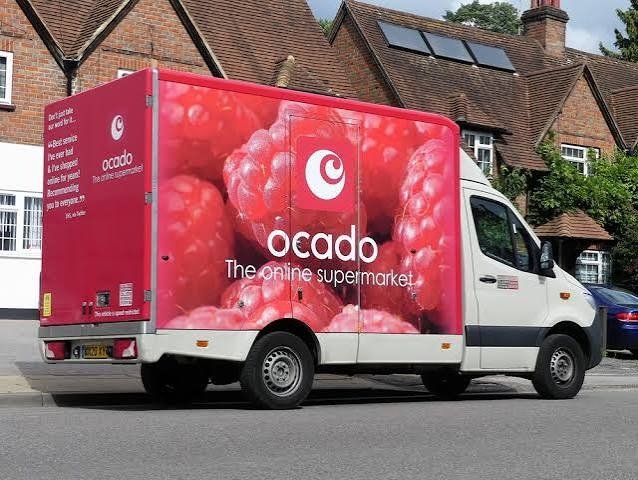
Digital Advertising is emerging as an innovative approach that combines mobility, digital technology, and targeted brand communication. As vehicles become increasingly connected through internet-enabled systems, navigation platforms, and smart infotainment displays, advertisers are discovering new opportunities to reach audiences during their daily journeys.
Unlike traditional vehicle branding, which relies on printed graphics and wraps, connected Digital Advertising can use digital platforms and connected services to deliver relevant promotional messages. Depending on the technology and permissions available, advertisements may appear on passenger infotainment screens, connected navigation applications, or digital displays associated with transport services. These opportunities allow brands to explore new ways of engaging commuters, passengers, and urban audiences in Search Engines.
One of the key advantages of connected Digital Advertising is its potential to deliver contextually relevant messages. For example, a passenger using a navigation application might discover nearby restaurants, shopping destinations, or local attractions. Fleet operators can also combine connected digital platforms with existing vehicle branding to create more integrated advertising campaigns.
Firms can help advertisers understand campaign performance, measure engagement, and improve media planning. Video Websites can support more efficient advertising decisions and better audience experiences. However, connected vehicle advertising must prioritise driver safety, user consent, data privacy, and compliance with applicable regulations. Advertisements should never distract drivers or interfere with vehicle controls and essential navigation information.
Firms offers opportunities to combine advertising with digital marketing, outdoor media strategies. Social Media can connect journeys with interactions, creating consistent brand across touchpoints.