
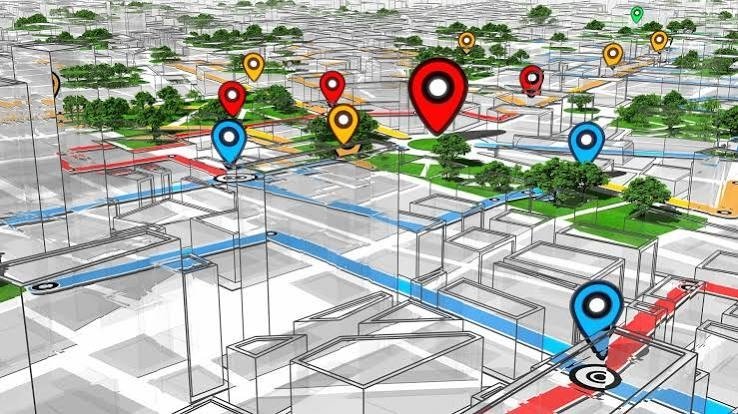
Digital Advertising strategy combines outdoor media with technology to connect brands with audiences in specific geographic areas. By creating virtual boundaries around selected locations, businesses can deliver relevant mobile advertisements to users within or near those areas, subject to device settings, platform capabilities, and appropriate permissions. This approach connects physical advertising environments with digital marketing opportunities in Search Engines.
One of the biggest advantages of Digital Advertising is their ability to support location-specific communication. Brands can establish virtual boundaries around shopping malls, commercial districts, railway stations, exhibition venues, retail stores, and event locations. When people enter these areas, eligible digital campaigns can encourage them to explore nearby products, services, or promotional offers.
Digital Advertising can combine billboard advertising near a shopping centre with mobile promotions for visitors in the surrounding area. Similarly, an event organiser can use outdoor displays and location-based digital campaigns to increase awareness among people attending an exhibition or festival. This integration helps businesses maintain consistent messaging across physical and digital touchpoints.
Firms are suitable for retail, hospitality, real estate, entertainment, education, and consumer brands. Video Websites can use location insights to plan campaign areas, improve audience relevance, and evaluate performance through suitable digital analytics. Combining outdoor advertising with mobile engagement can also help businesses guide potential customers towards nearby stores, events, and service locations.
Firms requires careful geographic targeting, compelling creative content, and clear campaign objectives. Social Media should also respect user privacy, obtain required permissions, and follow applicable data protection regulations when using location information.